(574) 365-5238Leave a voicemail about your project
Spray foam filling exposed wall cavities beside a window

COMFORT STARTS WITH A PLAN

Choose Insulation by Space

Different spaces fail for different reasons. The right spray foam plan starts with the room, the assembly, and the result you want.

Request an estimate
Homes & additionsGarages & workshopsPole barns

Thoughtful choices. Clear project details. A more useful estimate.

EXPLORE YOUR OPTIONS

Find the right starting point

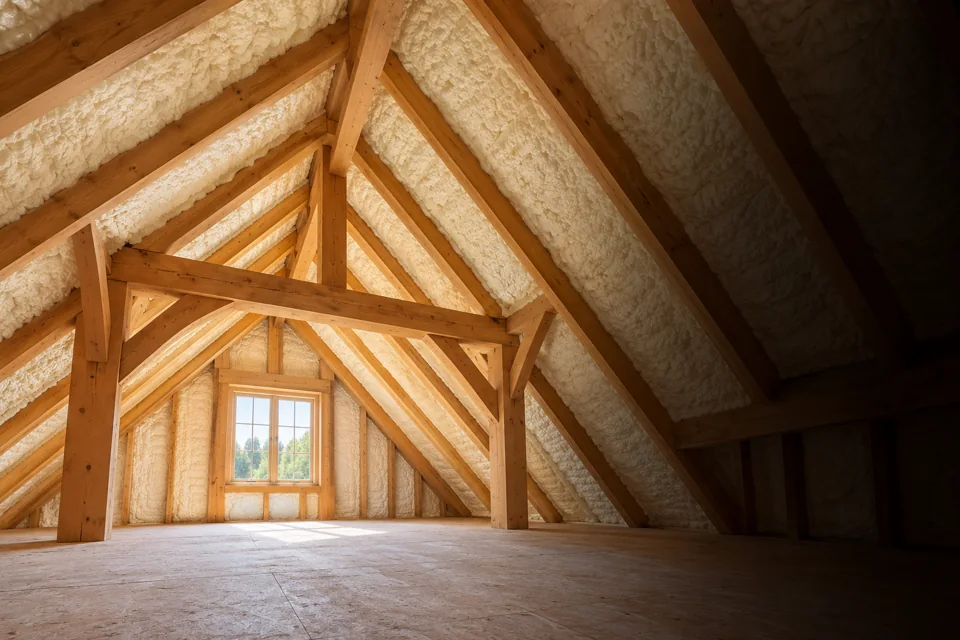
Cured spray foam between timber rafters in an unfinished attic
YOUR PROJECT

Attic Spray Foam Insulation for Michiana Homes

Attic spray foam starts with one decision: insulate the attic floor or convert the roofline into an unvented assembly. Each path changes ventilation, moisture control and cost, so the choice should follow an assessment of your roof and attic.

Explore
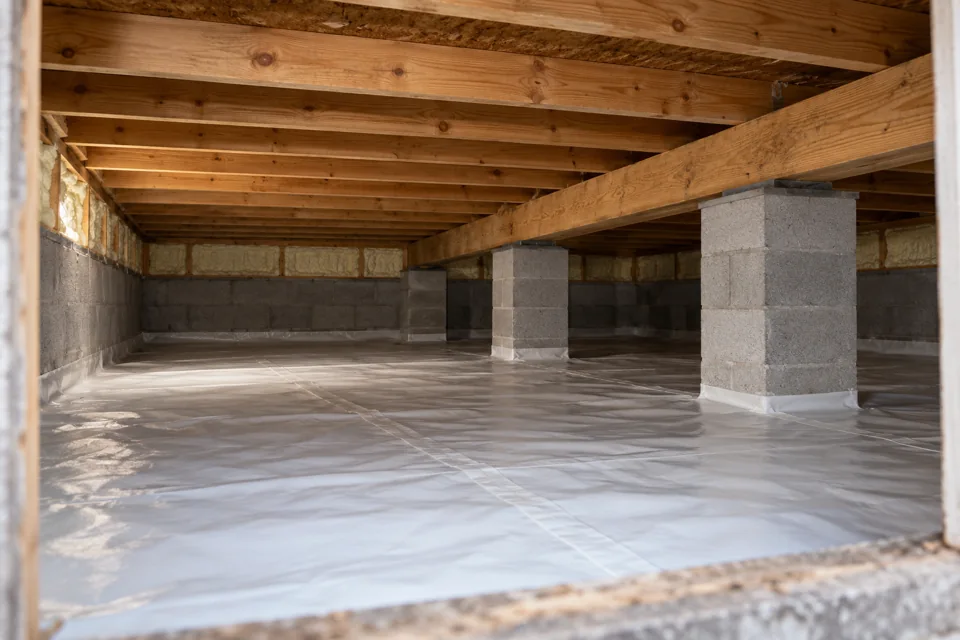
Low crawl space with ground vapor membrane, support piers and insulated rim joists
YOUR PROJECT

Crawl Space Spray Foam Insulation in Michiana

Spray foam can insulate and air-seal a crawl space, but it is one part of a system that also includes ground moisture control and suitable conditioning.

Explore
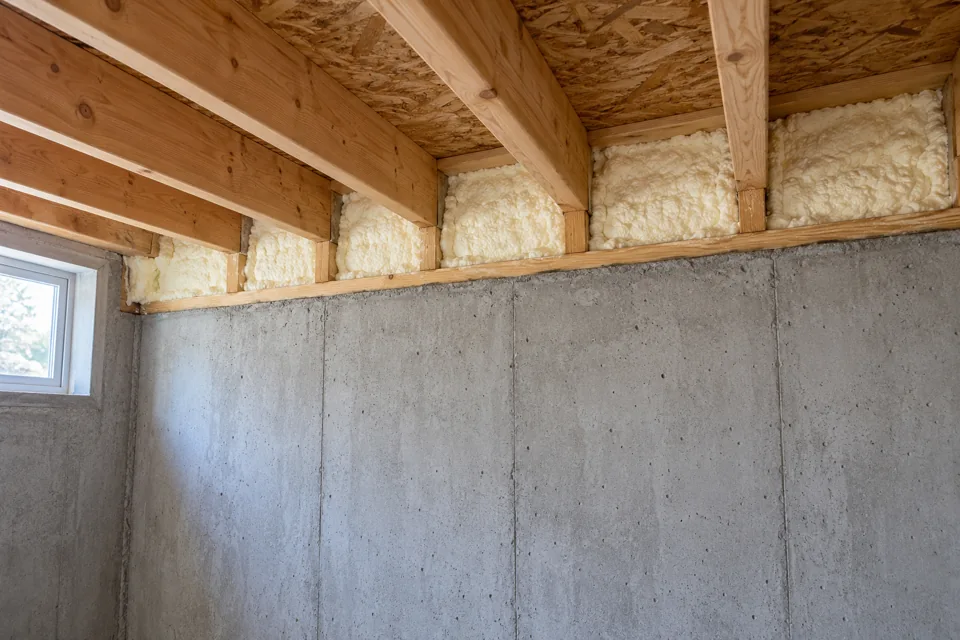
Foam in rim joist bays above a concrete foundation wall
YOUR PROJECT

Basement Spray Foam Insulation for Michiana Homes

Spray foam can insulate and air-seal basement walls or rim joists, but foundation condition, moisture and protective finish must be assessed first.

Explore
Foam in rim joist bays above a concrete foundation wall
YOUR PROJECT

Rim Joist Spray Foam Insulation in Michiana

Spray foam can insulate and air-seal the rim joist band, a focused project separate from full basement wall insulation.

Explore
Spray foam filling exposed wall cavities beside a window
YOUR PROJECT

Wall Spray Foam Insulation for Michiana Properties

Spray foam can insulate and air-seal open or accessible wall cavities, but finished walls require an access and repair plan.

Explore
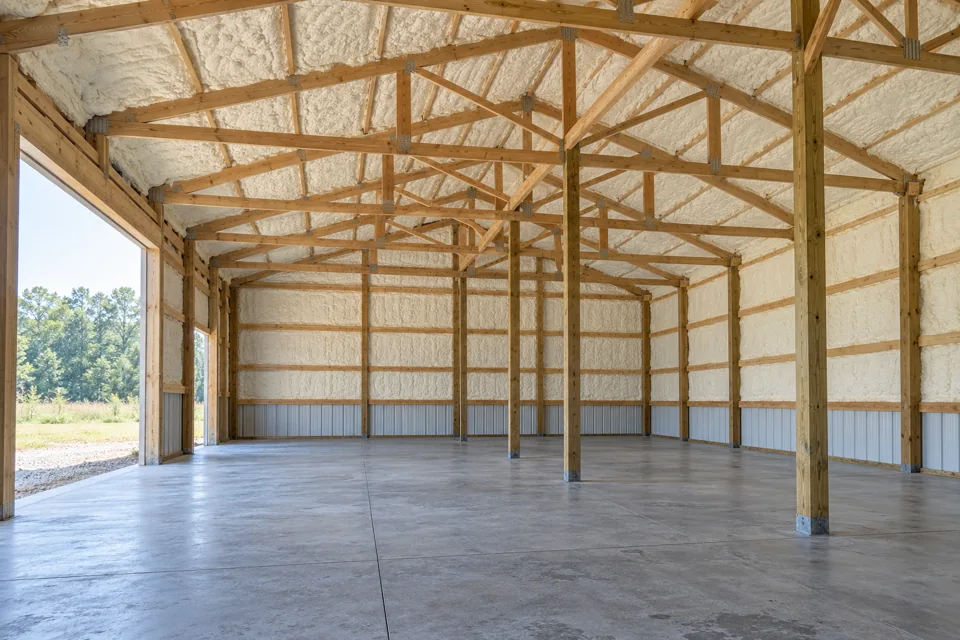
Wood framing and pale foam insulation inside an unfinished post-frame building
YOUR PROJECT

Pole Barn and Metal Building Spray Foam

Spray foam can insulate metal buildings and pole barns, but heated use, condensation and protective finish change the scope.

Explore
Wood framing and pale foam insulation inside an unfinished post-frame building
YOUR PROJECT

Garage and Workshop Spray Foam Insulation

Spray foam can insulate and air-seal garage walls and ceilings, but attached or detached use, doors, slab and fire separation shape the plan.

Explore
Spray foam filling exposed wall cavities beside a window
YOUR PROJECT

New Construction Spray Foam Insulation

Cavities close fast on a new build. Spray foam choices affect comfort, inspections, and finish schedules, so plan the assembly before drywall.

Explore
Wood framing and pale foam insulation inside an unfinished post-frame building
YOUR PROJECT

Commercial Spray Foam Insulation

Commercial buildings rarely fit a one-size insulation plan. Occupancy, roof and wall assemblies, phasing, and product approvals drive what can be installed.

Explore
Spray foam filling exposed wall cavities beside a window
YOUR PROJECT

Closed-Cell Spray Foam Insulation

Closed-cell foam packs more thermal resistance per inch and resists vapor movement, but it is not automatically the right product for every assembly.

Explore
Cured spray foam between timber rafters in an unfinished attic
YOUR PROJECT

Open-Cell Spray Foam Insulation

Open-cell foam is vapor-open and lower density. It can insulate and air-seal, but it needs depth and a moisture-conscious assembly to perform as intended.

Explore
01

Which project matches your space

Start with the surface and how you want to use the space. The project cards above cover attics, crawl spaces, basements, rim joists, walls, pole barns, garages, new construction and commercial buildings.

Open-cell and closed-cell are material choices within those projects. Compare their thermal and vapor behavior after the assembly, moisture conditions and available depth are understood.

02

How the main material choices differ

MaterialWhat it is suited forWhat to watch
Open-cell foamAir sealing and insulation where depth is available and a more vapor-open assembly fits the plan.Usually needs more thickness than closed-cell for the same thermal target; moisture plan matters.
Closed-cell foamAssemblies that benefit from higher thermal resistance per inch and less vapor permeance.Not a waterproofing or structural fix; product and thickness decide suitability.
Fiberglass or celluloseCommon insulation alternatives that usually cost less than spray foam.Air leakage and assembly continuity still affect performance, so insulation alone may not solve comfort issues.
03

Insulation and air sealing are related but not the same job

Thermal resistance slows heat flow. Air sealing reduces leakage through gaps, seams, and penetrations. Foam can perform both in appropriate assemblies, which is one reason it is often specified.

Installation continuity still matters. Adjacent penetrations, ventilation, and unfinished transitions can undermine performance, so the written scope should describe the full assembly rather than only the foam area.

04

What to gather before you ask for quotes

  • Which space or spaces you want addressed, and how each one is used.
  • Access conditionsopen framing, finished surfaces, low clearance, crawl access, or occupied areas.
  • Any known water, dampness, pest, or roof condition issues that could affect the assembly.
  • Approximate surfaces or dimensions if you know them, and photos if they help explain access.
  • Any deadline, inspection, or occupancy constraint that affects scheduling.
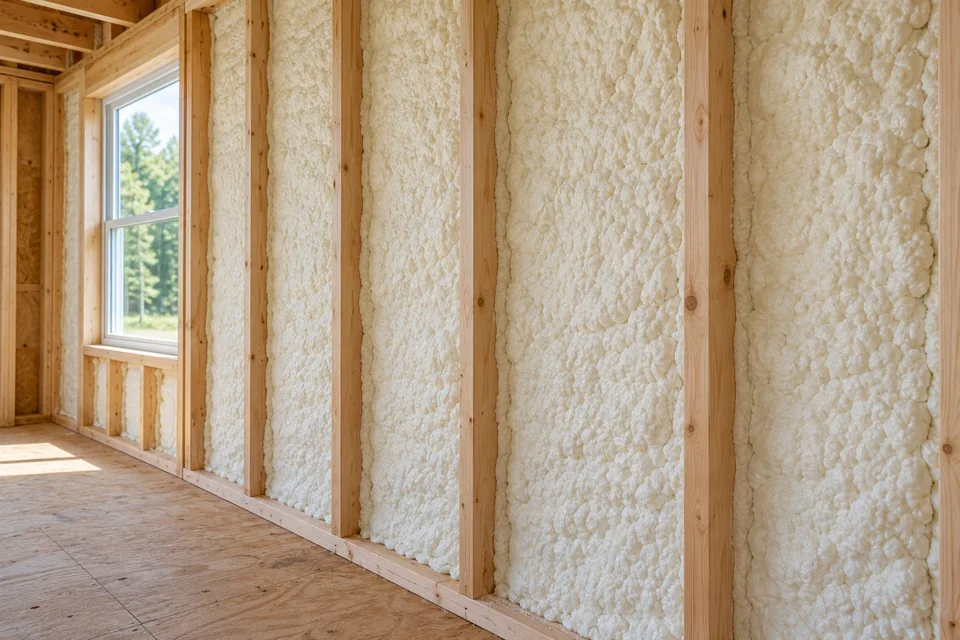
Spray foam filling exposed wall cavities beside a window

A FEW MORE ANSWERS

Questions before you get started

Do I need to choose open-cell or closed-cell before requesting a quote?

No, but the material choice affects thickness, moisture behavior, and price. A useful quote names the proposed foam product and explains why it fits the assembly.

Is spray foam the same as air sealing?

Not exactly. Insulation slows heat flow; air sealing reduces leakage. Foam can do both in the right assembly, but continuity and ventilation still need review.

Where should I start if I have several spaces?

List each space separately and describe how it is used. That helps the estimator compare options instead of pricing one vague whole-house number.

ONE CLEAR NEXT STEP

Ready for a more
comfortable space?

Start with the space and ZIP code. A useful estimate should match the property, materials and finish.

Request an estimate ↗
Sources and local planning resources

Reviewed October 19, 2026. Product and project requirements should be confirmed for the property.

(574) 365-5238Leave a voicemail about your project
Request an estimate